
There are landings and then there’s Paro International Airport. Wedged between emerald valleys and Himalayan peaks, this is one of the world’s most dramatic descents, navigated by only a handful of specially trained pilots. As your plane weaves between snow-capped ridges and glides onto the narrow runway, you feel it instantly you’ve entered a kingdom unlike any other.
Bhutan isn’t about skyscrapers or shopping sprees. It’s about spirit, quiet mornings scented with juniper incense, the rustle of prayer flags against blue skies, and evenings spent sipping butter tea beside crackling fires. Here, happiness isn’t a pursuit; it’s a practice.
Thimphu
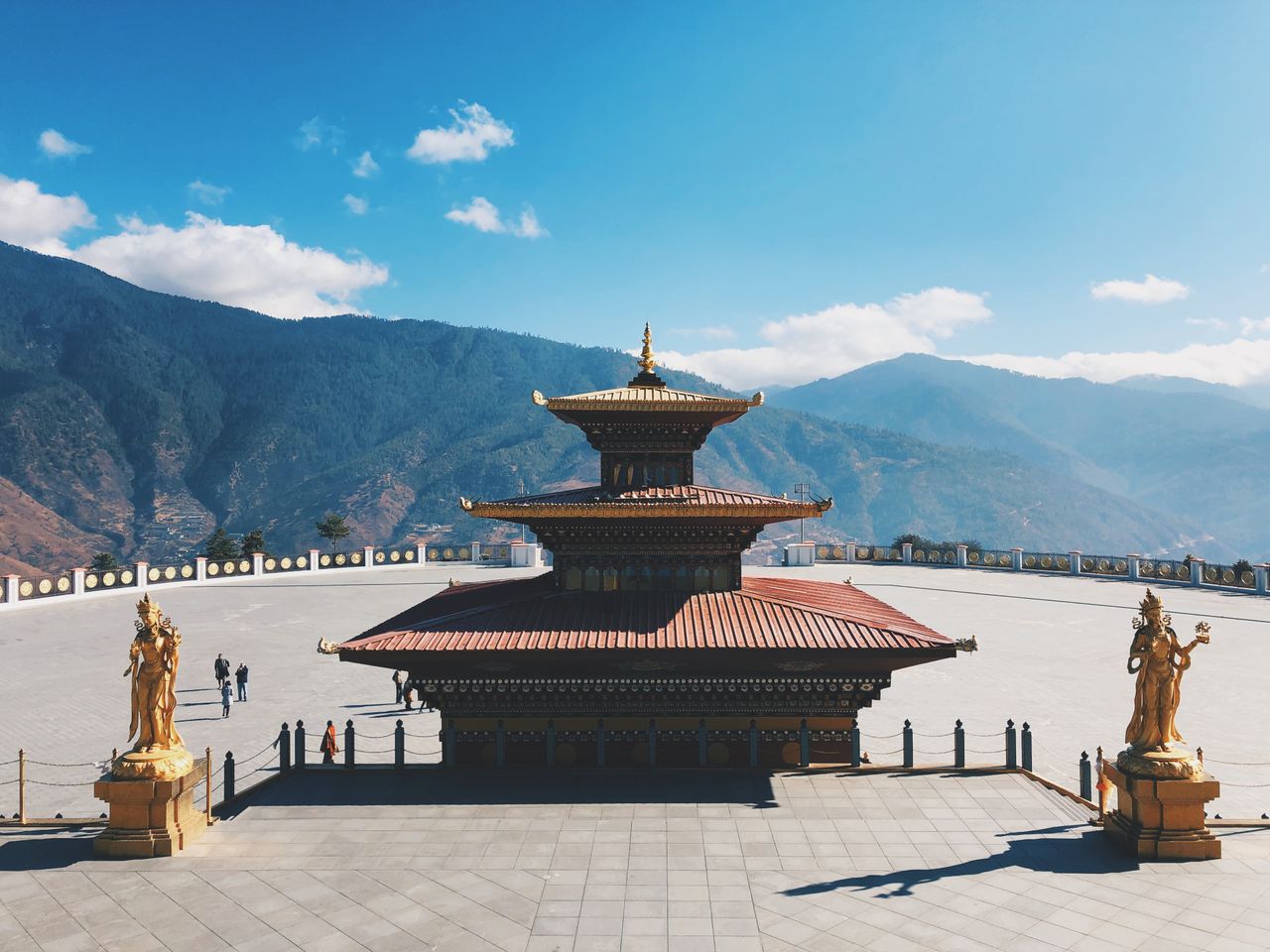
The capital city Thimphu feels more like a hillside village than a capital. There are no traffic lights, crimson-robed monks scroll through smartphones and locals stroll through markets lined with yak wool scarves, handwoven textiles, and fiery red chilies drying in the sun.
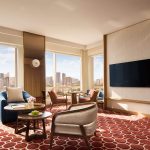
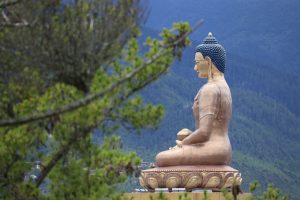
High above the valley, Six Senses Thimphu, fondly called the “Palace in the Sky,” offers an exquisite blend of minimalism and mindfulness. Built in harmony with nature, it looks out over a patchwork of pine forests, cloud-covered ridges, and the majestic Buddha Dordenma glinting in the distance.
Mornings began with a butter tea-making session, a beloved Bhutanese ritual that feels like both art and meditation. Churning yak butter, salt, and tea leaves into a creamy elixir, I learned that Bhutan’s secret isn’t what’s in the cup — it’s the mindfulness that goes into making it. Later, a stupa-making workshop with a local monk revealed how each layer represents a spiritual journey toward enlightenment. There’s something profoundly grounding about shaping clay as the mountains watch silently around you.
Dinner at Six Senses is a love letter to Bhutanese flavors — red rice, stir-fried fiddlehead ferns, tangy datshi stews (Bhutan’s national dish made with cheese and chilies), and homemade buckwheat noodles paired with mountain herbs. It’s hearty yet healthy, comfort food elevated by the freshness of local ingredients.
Punakha
The road to Punakha is a journey in itself. Winding through the Dochula Pass, where 108 white chortens stand gracefully against snow-capped peaks, the view is cinematic, a panorama of rolling hills, winding rivers, and clouds spilling into the valleys below.
In Punakha, the air feels warmer, the pace slower. COMO Uma Punakha rests above the Mo Chu River, with uninterrupted views of rice terraces cascading down the valley and purple jacaranda trees blooming near ancient monasteries. The resort feels like an elegant mountain home — all warm woods, woven textiles, and expansive windows that frame the golden fields outside.
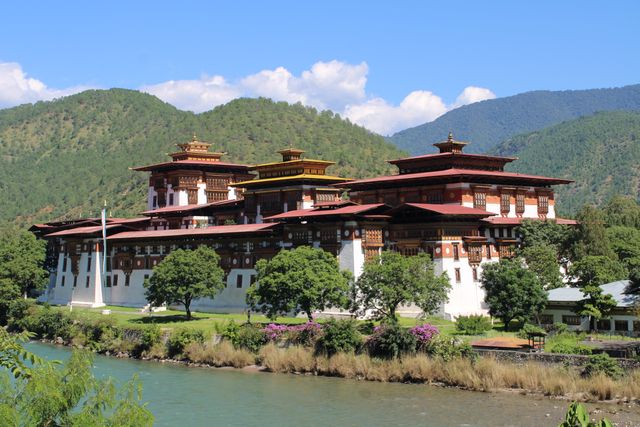
Just a short drive away lies Punakha Dzong, Bhutan’s most beautiful fortress. Standing at the confluence of two rivers, it’s a masterpiece of Bhutanese architecture — whitewashed walls, intricate wood carvings, and crimson-gold roofs that shimmer in the sunlight. Inside, the scent of incense mingles with the low hum of monks’ prayers, a sound that seems to reverberate through your chest.
For lunch, COMO’s restaurant serves farm-to-table Bhutanese and Asian-inspired dishes. Think fresh red rice with sautéed greens, yak cheese dumplings, and spicy chili pastes made from local peppers. Everything tastes honest — as if it came straight from the valley you’re gazing at.
Paro
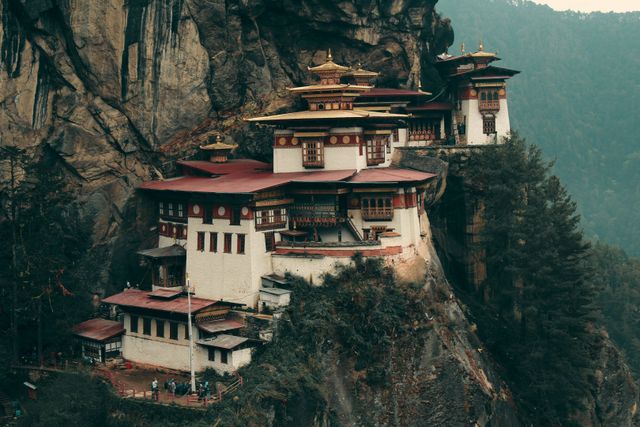
If Thimphu is Bhutan’s mind and Punakha its heart, Paro is undoubtedly its soul. The valley, with its emerald fields and rustic farmhouses, feels suspended in time. And perched high above it all is the legendary Tiger’s Nest Monastery (Taktsang) — Bhutan’s spiritual crown jewel.
The climb to Tiger’s Nest is not easy — a three-hour trek through pine forests and misty trails but every step feels sacred. Midway, a teahouse offers respite with views so breathtaking, they silence conversation. When you finally reach the monastery, clinging to the cliffs as clouds swirl beneath your feet, it feels less like an arrival and more like awakening.
After the descent, I checked into COMO Uma Paro, cocooned in a pine forest overlooking the valley. The design here is all about stillness, pale walls, natural wood, and large windows that invite the landscape inside. The traditional Bhutanese hot stone bath, infused with mountain herbs and river-heated stones, soothed every muscle, a deeply restorative ritual that feels almost ceremonial.
The cuisine at COMO continues the theme of mindful indulgence light yet flavorful dishes inspired by Himalayan produce: organic vegetables, nutty buckwheat pancakes, and smoky eggplant with sesame.
For my final night, I moved to Le Méridien Paro, Riverfront, a sleek, contemporary retreat beside the Paro Chhu River. From the infinity pool, you can watch planes rise and dip dramatically between mountains, a view so surreal, it feels like a dream looping on repeat.